Design

Sprint
Facilitation
Get the most out of your Design Sprint with an experienced guide.
PROBLEM FRAMING
✦
JOURNEY MAPPING
✦
USER INTERVIEWS
✦
SKETCHING
✦
LIGHTNING DEMOS
✦
CRAZY 8'S
✦
HOW MIGHT WE?
✦
PROTOTYPING
✦
PROBLEM FRAMING ✦ JOURNEY MAPPING ✦ USER INTERVIEWS ✦ SKETCHING ✦ LIGHTNING DEMOS ✦ CRAZY 8'S ✦ HOW MIGHT WE? ✦ PROTOTYPING ✦

Move projects forward with Design Sprints
What is a Design Sprint?
A design sprint is a structured, time-boxed process for solving complex business problems through rapid ideation, prototyping, and user testing. Developed at Google Ventures by Jake Knapp and detailed in the bestselling book Sprint, the framework compresses months of work into three to five focused days—helping teams align quickly, reduce risk, and move from problem to validated solution without lengthy deliberation.
The process brings together a cross-functional team to define a critical challenge, sketch competing solutions, decide on the best approach, build a realistic prototype, and test it with real users—all within a single week. The result is not just a prototype but a shared understanding of the problem, a tested direction, and the momentum to execute.
Design sprints are used for product development, go-to-market strategy, process redesign, technology implementation, and organizational alignment. They work equally well for Fortune 500 teams navigating complexity and early-stage startups moving fast with limited resources.
Sprint Benefits
Quickly develop, test and validate the best ideas
Speed up timelines and shrink costs dramatically
Empower a cross-functional teams to be change-makers and owners of the product
Expand mindsets by removing barriers to innovation
Turn innovation into action with immediate solutions to important challenges
Uncover new customer insights through the user testing model
Design Sprints are customized to the client’s needs:
3-days Sprint: Focused problem framing, rapid ideation, and prototype testing for teams with tight timelines or a well-defined challenge
4-day Sprint: Adds a deeper research and insight phase, useful when the problem space needs more exploration before ideation begins
5-day Sprint: The full GV framework, including structured user interviews and a complete prototype-to-test cycle
Design sprint in practice: Akamai
Akamai, the global leader in distributed cloud computing, faced a challenge common to enterprise technology companies: new client onboarding was slow, costly, and inconsistent. The team needed a better implementation process, but internal alignment on the problem, let alone the solution, had remained elusive through conventional planning cycles.
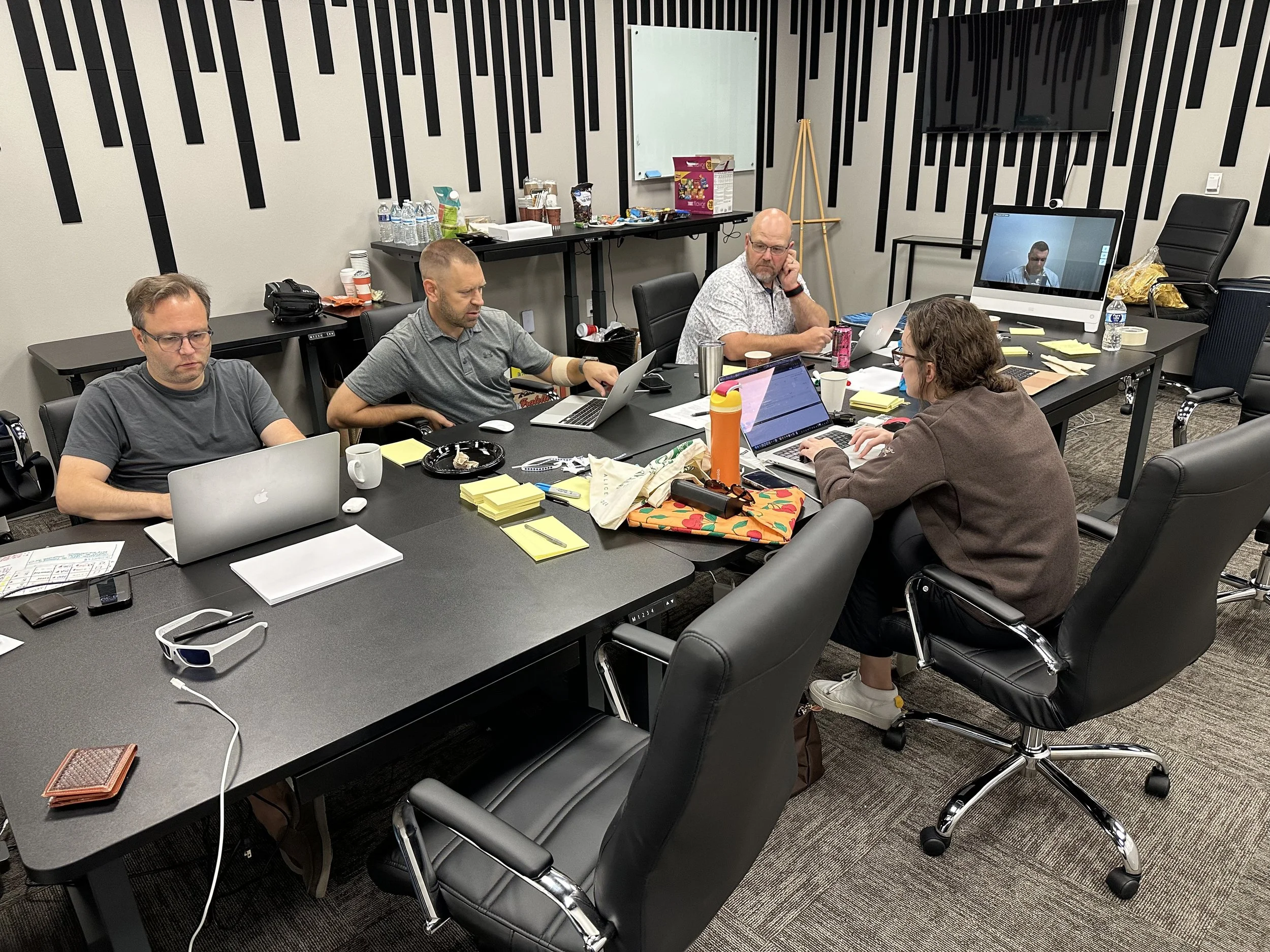
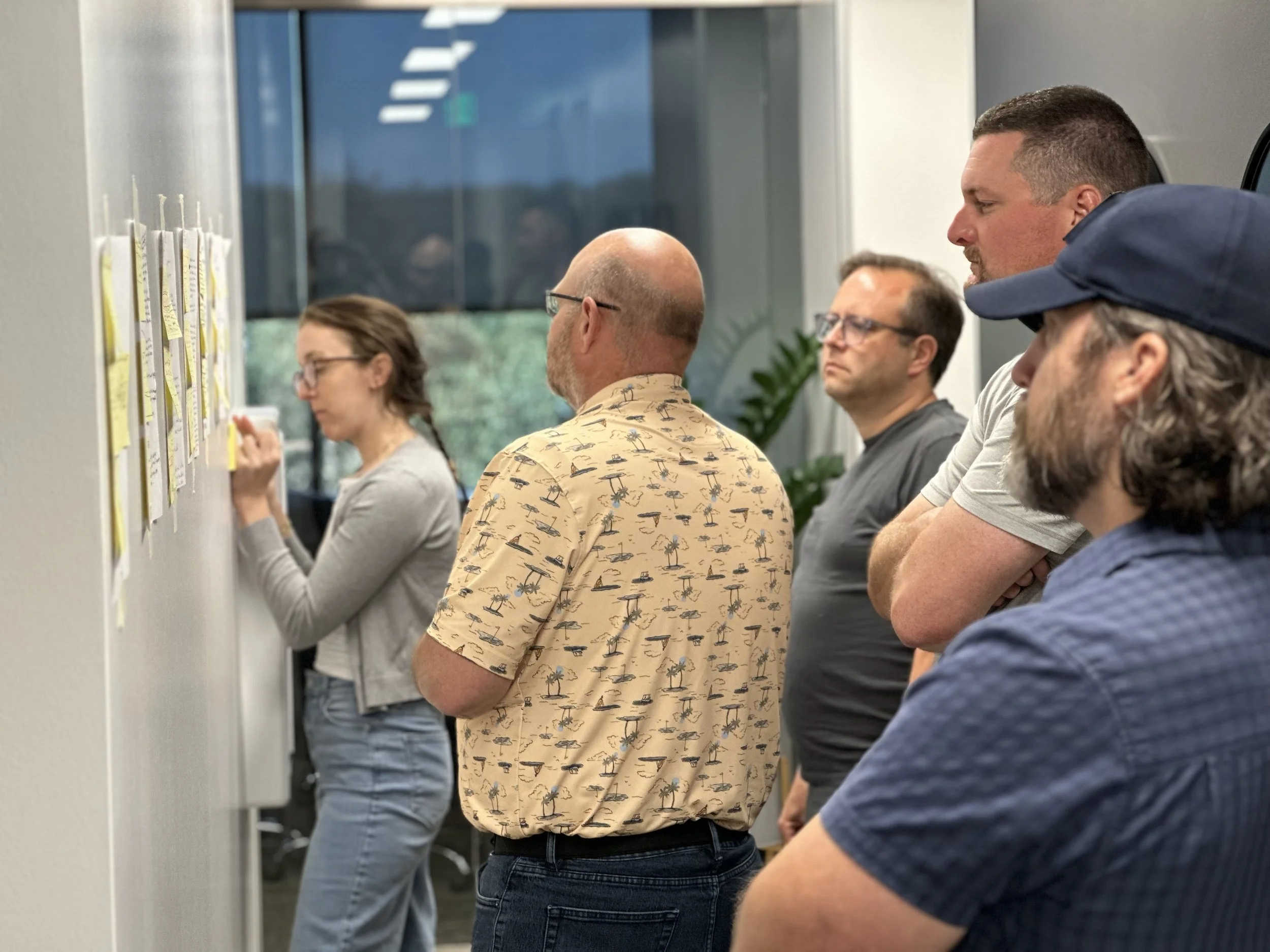
Daniel facilitated a five-day design sprint with a cross-functional team drawn from engineering, product, and client success. Over the course of the week, the group framed the core problem, generated competing approaches, built a working prototype of a new client implementation tool, and tested it with real users—all without the overhead of a multi-month discovery process.
The sprint produced not just a validated prototype but a team that was aligned, energized, and already moving on implementation. As one participant put it: "I think we're all still glowing from last week's sprint! We're already off and running on implementing our ideas."
This is the kind of outcome a well-facilitated design sprint reliably delivers: clarity, alignment, and momentum, compressed into days rather than months.

When is a design sprint the right approach?
A design sprint works best when a team is facing one of the following situations:
High-stakes decisions with too many opinions. The team has divergent views on direction and needs a structured process to surface the best ideas and build consensus around a single path forward.
A product or feature that needs validation before development. Rather than building something and discovering the problems later, a sprint lets teams test assumptions with users before committing engineering resources.
A complex problem that hasn't responded to conventional planning. When workshops, meetings, and strategy sessions haven't produced traction, a sprint's time constraints and structured exercises cut through the noise.
A team that needs to move faster. A sprint instills a bias toward action, rapid iteration, and decision-making — habits that outlast the sprint itself.
A design sprint is not the right tool for every problem. If the challenge is primarily an execution or resource issue rather than a strategic or design one, a sprint may not be the most efficient use of the team's time. A brief discovery conversation can help determine whether a sprint is the right fit.
Frequently Asked Questions
How much does a design sprint facilitator cost?
Professional design sprint facilitation typically ranges from $15,000 to $50,000+ depending on the sprint length, team size, level of pre-sprint preparation, and whether the engagement includes post-sprint synthesis and reporting. Facilitated sprints consistently deliver faster decisions and lower risk than the alternative—extended planning cycles that consume far more time and organizational cost.
How many people should be in a design sprint?
The optimal sprint team is five to seven people. This is large enough to bring diverse perspectives and small enough to make decisions efficiently. The team should include a decision-maker—someone with the authority to commit to a direction—along with representatives from the key disciplines relevant to the challenge.
Can a design sprint be done remotely?
Yes. Remote design sprints are fully viable with the right facilitation and digital collaboration tools. The key differences are pacing, tool setup, and maintaining engagement across screens—all of which an experienced remote facilitator manages as part of sprint preparation.
What's the difference between a design sprint and a design thinking workshop?
Design thinking is a broader problem-solving philosophy that design sprints build upon. A design sprint is a specific, time-boxed implementation of those principles with a defined structure, set exercises, and a concrete output: a tested prototype and a validated direction. Design sprints are more prescriptive and produce more tangible results in a shorter timeframe.
Do participants need any prior experience with design sprints?
No. A facilitator's job is to guide the team through the process regardless of their familiarity with it. Most sprint participants have never run one before. Preparation materials and a pre-sprint briefing ensure every participant arrives ready to contribute from day one.
let’s chat.
Fill out the form and we can schedule a time to discuss how I can help to ensure your Design Sprint is a success.
Happy Sprint Customers